
The Cobell Scholarship 2026–2027 provides financial assistance to eligible Native American and Alaska Native students pursuing higher education in the United States. Administered by Indigenous Education, Inc. (IEI), the program supports students attending qualifying nonprofit colleges, universities, tribal colleges, vocational schools, and other accredited institutions.
Depending on the applicant's education level and scholarship category, eligible students may receive funding for tuition, books, fees, living expenses, and other approved educational costs. Applications are submitted through the official Online Application Scholarship Information System (OASIS).
For students planning to attend college, complete a graduate degree, or develop professional skills, the Cobell Scholarship can be an important source of educational support. However, applicants must understand the tribal enrollment requirements, application deadlines, and award conditions before submitting an application.
What Is the Cobell Scholarship?
The Cobell Scholarship is a competitive educational funding program established through the Cobell v. Salazar settlement. It honors Elouise Cobell, a Blackfeet leader and advocate who worked to improve accountability and justice for Native American communities.
The scholarship aims to expand educational opportunities for eligible members of federally recognized American Indian tribes and Alaska Native communities.
What Is the Purpose of the Cobell Scholarship?
The program helps eligible Native students pursue postsecondary education without carrying the entire financial burden themselves.
Its broader purpose includes:
- Improving access to higher education.
- Supporting academic achievement.
- Helping students complete college and professional programs.
- Encouraging leadership and community involvement.
- Supporting educational opportunities across different Native communities.
The scholarship recognizes that students follow different educational paths. Some attend tribal colleges, others pursue university degrees, and some choose technical or vocational training.
Who Administers the Scholarship?
The program is administered by Indigenous Education, Inc. (IEI), which manages applications, eligibility verification, scholarship reviews, and award administration.
The official website is:
Cobell Scholarship Official Website.
Applicants should use this website rather than relying exclusively on third-party scholarship directories.
What Types of Students Does It Support?
The Cobell Scholarship program offers several opportunities, including:
- Undergraduate scholarships for associate and bachelor's degree students.
- Graduate and professional scholarships for advanced-degree students.
- Vocational and trade scholarships for career-focused training.
- Summer scholarships for eligible summer coursework.
- Graduate summer research fellowships.
- Dissertation writing-year fellowships for eligible doctoral candidates.
These opportunities have different eligibility rules and application periods.
How Much Is the Cobell Scholarship Worth in 2026–2027?
The Cobell Scholarship award amount depends on the applicant's education level, scholarship category, available funding, and verified financial need.
The official 2026–2027 scholarship pages publish the following maximum award amounts:
Cobell Scholarship Award Amounts
| Scholarship category | Published award amount |
|---|---|
| Undergraduate – new recipients | Up to $5,000 |
| Undergraduate – returning recipients | Up to $8,000 |
| Graduate and professional | Up to $12,500 |
| Vocational and trade | Up to $7,500 per calendar year |
| Summer Scholarship | [VERIFY BEFORE PUBLISHING] |
| Summer Research Fellowship | [VERIFY BEFORE PUBLISHING] |
| Dissertation Writing-Year Fellowship | [VERIFY BEFORE PUBLISHING] |
Sources: Official Undergraduate Scholarship and Graduate & Professional Scholarship pages. Cobell Scholarship+2
How Much Can Undergraduate Students Receive?
New undergraduate recipients may receive up to $5,000, while returning recipients may receive up to $8,000.
The undergraduate award can help cover:
- College tuition.
- Mandatory educational fees.
- Textbooks and learning materials.
- Eligible living expenses.
The maximum amount is not a guaranteed payment. Final offers depend on the program's selection process and financial review.
How Much Can Graduate Students Receive?
Graduate and professional students may receive up to $12,500 through the relevant scholarship opportunity.
This category is intended for students pursuing advanced qualifications, including master's degrees, doctoral degrees, and professional programs such as law or medicine.
The award is divided across the student's academic terms rather than necessarily being paid as one lump sum.
How Much Funding Is Available for Vocational Students?
Eligible vocational and trade students may receive up to $7,500 per calendar year.
This opportunity is particularly relevant to students pursuing practical career training, including:
- Information technology.
- Welding.
- Automotive technology.
- Nursing-related training.
- Construction.
- Cosmetology.
- Other eligible occupational credentials.
The vocational scholarship is subject to funding availability and the program's eligibility requirements. Cobell Scholarship+2
Is the Cobell Scholarship Renewable?
The undergraduate and graduate awards are not automatically renewable. Students must submit a new application for each annual cycle.
Returning applicants should not assume that receiving an award previously guarantees another award. They must continue to meet the requirements and complete the application process.
Who Is Eligible for the Cobell Scholarship 2026–2027?
The Cobell Scholarship is primarily available to enrolled members of U.S. federally recognized American Indian tribes and Alaska Native Corporations who are pursuing eligible postsecondary education.
Eligibility depends on the specific scholarship category.
Tribal Enrollment Requirements
Applicants must be enrolled members of a qualifying U.S. federally recognized American Indian tribe or Alaska Native Corporation.
This is an important distinction: having Native American ancestry or being a descendant of an enrolled tribal member does not automatically satisfy the program's current enrollment requirement.
The official organization maintains a list of eligible tribes in the OASIS application profile.
If your tribe does not appear in the dropdown list, contact Indigenous Education, Inc. for clarification. Cobell Scholarship+1
Educational Requirements
Applicants must pursue an eligible educational qualification at an accredited, nonprofit institution.
Depending on the opportunity, eligible programs include:
- Associate degrees.
- Bachelor's degrees.
- Master's degrees.
- Doctoral degrees.
- Professional degrees.
- Vocational certificates and occupational credentials.
The institution must be public or private, nonprofit, and appropriately accredited.
For-profit institutions are not eligible.
Enrollment Requirements
Full-time enrollment is generally required, based on the institution's definition.
However, the official program explains that part-time applicants may be considered individually in certain circumstances.
Students who cannot attend full-time should explain their situation in the Additional Comments section of OASIS.
Approval is not automatic.
GPA Requirements
There is no formal minimum GPA requirement published by the scholarship administrator.
However, IEI provides the following general competitive guidelines:
| Applicant category | Competitive GPA guideline |
|---|---|
| Undergraduate | 3.25 or higher |
| Graduate and professional | 3.50 or higher |
| Vocational | 2.00 or higher |
These figures are competitive guidelines, not absolute eligibility cutoffs.
Students with lower GPAs may still apply. Their applications are reviewed holistically, meaning academic performance is considered alongside other information in the application. Cobell Scholarship+1
You Must Have
Before starting your application, check that you:
- Are an enrolled member of a qualifying federally recognized tribe or Alaska Native Corporation.
- Are pursuing an eligible educational qualification.
- Plan to attend or are attending an accredited nonprofit institution.
- Meet the enrollment requirements for your scholarship category.
- Can provide accurate information about your education and tribal enrollment.
- Can complete the required application responses before the deadline.
You May Not Qualify If
You may be ineligible if:
- You are only a descendant of an enrolled tribal member but are not personally enrolled.
- You attend a for-profit educational institution.
- Your educational program does not meet the scholarship's requirements.
- You do not satisfy the applicable enrollment conditions.
- You apply under an incorrect scholarship category.
Some exceptions and category-specific restrictions apply. Always use the eligibility form in OASIS to determine your available opportunities.
Does Being a Cobell Settlement Class Member Matter?
No. Membership in the Cobell Settlement Class or descent from a class member is not required for basic scholarship eligibility.
The official program states that this information may be collected for research and could be considered as a tiebreaker when selecting finalists. It does not guarantee an award. Cobell Scholarship+1
What Are the Cobell Scholarship Application Deadlines for 2026–2027?
The official application calendar provides different opening and closing dates for different scholarship categories.
The undergraduate and graduate application window for the 2026–2027 cycle opens on December 15, 2026, and closes on March 31, 2027.
Important Application Dates
| Scholarship category | Opening date | Closing date |
|---|---|---|
| Undergraduate and Graduate | December 15, 2026 | March 31, 2027 |
| Summer Scholarship | February 15 | May 4 |
| Vocational and Trade | June 1 | May 15 |
| Research and Dissertation Fellowships | September 1 | January 10 |
The official annual calendar lists these recurring windows, but applicants should confirm the applicable year and current status on the individual scholarship page before relying on a date for the 2026–2027 cycle.
All applications must be submitted by 11:59 PM Mountain Time. Late applications are not accepted. Cobell Scholarship+1
When Should You Start Preparing?
Students should begin preparing before their application window opens.
For the undergraduate and graduate cycle, December 15, 2026, is the published opening date. Preparing your academic information, tribal enrollment details, and application responses in advance can make the process easier.
Do not wait until the final evening to complete your submission.
How Does the Cobell Scholarship Work?
The Cobell Scholarship uses an online application and review system. Applicants create a profile, complete an eligibility form, apply to matched opportunities, and monitor their application status.
What Is OASIS?
OASIS stands for Online Application and Scholarship Information System.
It is the official application portal used for Cobell Scholarship opportunities. Applicants use it to manage their profiles, submit applications, accept offers, and track scholarship progress.
There is no paper application option. Cobell Scholarship
How Are Applicants Selected?
The scholarship is competitive, and meeting the basic eligibility requirements does not guarantee funding.
Completed applications are evaluated through a review process that considers academic strength, academic rigor, application responses, and references when required.
Reviewers also consider the overall information provided by applicants rather than relying on GPA alone.
The program's published FAQ reports that approximately 40% of submitted applications received an award in 2024–2025. This is a historical figure, not a prediction of the selection rate for 2026–2027. Cobell Scholarship
How Is the Award Amount Determined?
The award amount depends on available program funding and the applicant's scholarship category.
IEI also reviews financial information through the Financial Needs Analysis and Verification (FNAV) process provided by the student's institution.
An initial offer may be adjusted after financial verification to account for the student's cost of attendance and unmet financial need.
This means applicants should not automatically assume that their final payment will equal the published maximum.
How to Apply for the Cobell Scholarship 2026–2027
Students must apply through the official OASIS portal. The process involves creating an account, completing an eligibility profile, submitting matched scholarship applications, and responding to any follow-up requests.
Step 1: Visit the Official Cobell Scholarship Website
Start by visiting CobellScholar.org.
Review the available scholarship categories and identify the opportunity that matches your education level.
Avoid unofficial application websites that request payment or promise guaranteed selection.
Step 2: Create an OASIS Account
Open the official application portal and create your account.
Use your own active email address. Keep your login details secure because you will need them to receive updates and monitor your application.
Step 3: Complete Your Applicant Profile
Enter the requested information about:
- Your personal details.
- Tribal enrollment.
- Current or planned educational institution.
- Degree or certificate program.
- Enrollment status.
- Academic background.
Make sure your information matches your official academic and enrollment records.
Step 4: Complete the Eligibility Form
OASIS uses your profile and eligibility answers to identify scholarship opportunities that may match your circumstances.
Review the matched opportunities carefully.
Do not assume that completing the eligibility form automatically submits a scholarship application.
Step 5: Submit Your Scholarship Application
Choose the opportunities for which you qualify and complete the individual application requirements.
Provide thoughtful, accurate responses. Explain your educational goals, academic experiences, community involvement, and future plans where requested.
Step 6: Monitor Your Application Status
Check your OASIS dashboard and email regularly.
If you become a finalist, follow the instructions provided by IEI. You may need to complete additional verification requirements before an official award is confirmed.
Step 7: Accept Your Scholarship Offer
If you receive an offer, review its terms carefully.
Accept the offer through the required process and complete any post-acceptance steps.
Scholarship payments are made directly to the educational institution, and applicants can monitor disbursement through OASIS. Cobell Scholarship+1
Application Process at a Glance
| Step | Action | Details |
|---|---|---|
| 1 | Visit official website | Review scholarship categories |
| 2 | Create account | Register through OASIS |
| 3 | Update profile | Enter tribal and academic information |
| 4 | Complete eligibility form | Find matching opportunities |
| 5 | Apply | Submit complete scholarship responses |
| 6 | Check status | Monitor email and OASIS |
| 7 | Accept offer | Complete verification and acceptance |
What Documents Are Required for the Cobell Scholarship?
The documentation requirements depend on the scholarship opportunity and the stage of the application.
Applicants should understand the difference between initial application information and documents requested after selection.
Documents and Information to Prepare
Consider preparing the following:
- Current academic transcript.
- Tribal enrollment information.
- College or university details.
- Degree or certificate information.
- Personal email address.
- Academic history.
- Reference contact information, if required.
- Financial information requested during verification.
Are Official Transcripts Required?
The application guidance explains that applicants initially provide self-reported information, so supporting documents are generally not required at the first stage.
However, some opportunities may request an unofficial transcript, and finalists may need to provide additional documents.
The official application instructions should always take priority over general document checklists. cobellscholar.org+1
Do You Need a Recommendation Letter?
Reference requirements depend on the particular scholarship opportunity.
For example, the undergraduate and graduate scholarship pages identify an April 7 reference deadline.
Applicants should check their individual OASIS opportunity for the exact reference instructions and make arrangements with their recommenders early.
What Mistakes Should You Avoid When Applying?
A strong application requires more than meeting the basic eligibility criteria. Small administrative errors can create unnecessary problems.
1. Confusing Tribal Ancestry With Tribal Enrollment
Having Native American ancestry does not automatically satisfy the program's tribal membership requirement.
Applicants should confirm that they are personally enrolled in an eligible federally recognized tribe or Alaska Native Corporation.
2. Missing the Application Deadline
Late applications are not accepted.
Set reminders for the opening date, submission deadline, and any reference deadlines.
Do not assume that an unfinished application will be considered submitted.
3. Completing the Profile Without Applying
Creating an OASIS account and completing the eligibility form are separate from submitting an actual scholarship application.
Make sure every required section of your matched opportunity is completed and submitted.
4. Providing Inconsistent Information
Your name, academic institution, tribal enrollment information, and degree details should be accurate.
If your circumstances change, update your profile and contact IEI when necessary.
5. Ignoring Emails and Verification Requests
A scholarship application may require additional steps after submission.
Check your inbox, spam folder, and OASIS account regularly. Missing a verification request or response deadline can affect your application.
6. Using Generic Application Responses
Avoid submitting vague statements that could describe almost any student.
Explain your actual educational goals, experiences, challenges, and contributions to your community.
Authentic, specific responses help reviewers understand your individual circumstances.
Tips to Improve Your Cobell Scholarship Application
The following strategies can help you prepare a more complete and convincing application.
Explain Your Educational Goals Clearly
Describe the qualification you want to earn and how it connects to your future plans.
For example, a student studying nursing could explain their interest in healthcare access and the professional skills they hope to develop.
Keep your explanation specific and realistic.
Highlight Community Involvement
If you have participated in volunteer activities, cultural programs, student organizations, or community projects, explain your involvement honestly.
Include your responsibilities and what you learned from those experiences.
Do not exaggerate your achievements.
Prepare Your Academic Information Early
Check your latest transcript and make sure your educational history is accurate.
If your grades have improved over time, explain that progress when the application provides an appropriate opportunity.
Choose Your References Carefully
Ask people who understand your academic abilities, work ethic, leadership, or community involvement.
Give them enough time to complete their reference requirements.
Write in Your Own Voice
The official program allows AI tools for brainstorming, outlining, and proofreading, but final application responses should represent your own work and personal experiences.
Use editing assistance responsibly. Do not submit invented experiences or statements that do not reflect your background. Cobell Scholarship+1
Apply to Every Opportunity for Which You Qualify
OASIS may identify multiple scholarship opportunities based on your profile.
Review each match carefully and complete every application that fits your circumstances.
This can help you avoid overlooking a funding opportunity that might otherwise be suitable.
What Happens After You Submit Your Application?
Submitting an application is only one stage of the scholarship process.
Applicants should continue monitoring their accounts and be prepared for additional requests.
Application Review
Completed applications are evaluated according to the applicable scholarship criteria.
The review considers academic strength and the information provided in the application.
Finalist Notifications
Finalist status means an application has advanced through the review stage. It does not mean that an applicant has already received a confirmed scholarship.
Additional eligibility and financial verification may be required.
Financial Verification
The program may request a Financial Needs Analysis and Verification form from the student's institution.
This helps determine the final award amount in relation to educational costs and other financial assistance.
Award Disbursement
After the required acceptance and verification steps, approved scholarship funds are sent directly to the educational institution.
The payment schedule depends on the award and the number of academic terms.
What If You Are Not Selected?
Eligible students may reapply in a future cycle.
The official program also maintains a waitlist and may make additional offers if funding becomes available. Applicants should monitor their OASIS status rather than assuming that an application will automatically remain active in a future year. Cobell Scholarship+1
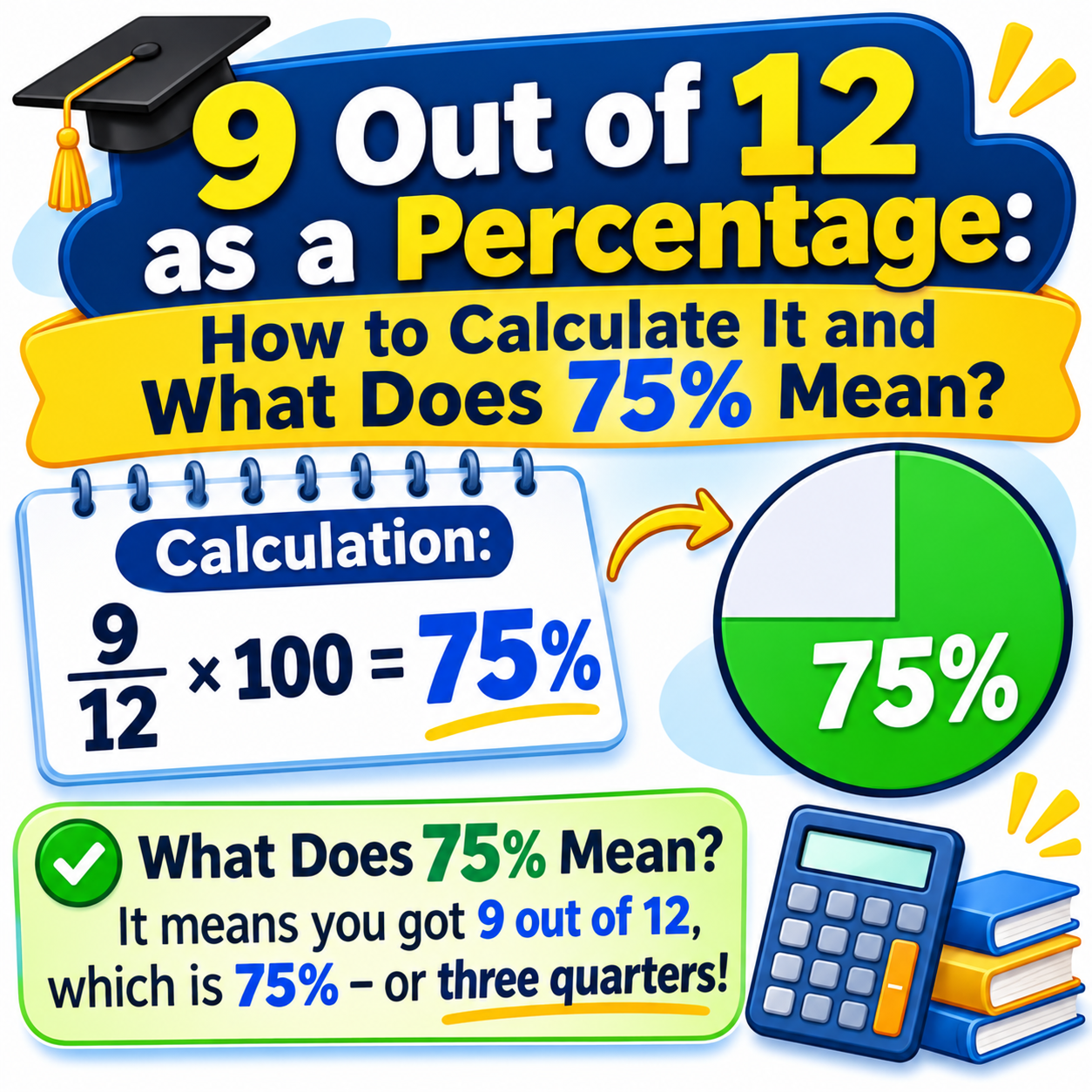
Read more: 9 Out of 12 Percentage: How to Calculate It and What Does 75% Mean?
Frequently Asked Questions About the Cobell Scholarship 2026–2027
1. Who Can Apply for the Cobell Scholarship?
The scholarship is available to enrolled members of U.S. federally recognized American Indian tribes and Alaska Native Corporations who pursue eligible postsecondary education. Applicants generally must attend an accredited nonprofit institution and meet the applicable enrollment requirements. Specific conditions depend on the undergraduate, graduate, vocational, or fellowship opportunity.
2. How Much Money Does the Cobell Scholarship Give?
The published undergraduate award is up to $5,000 for new recipients and up to $8,000 for returning recipients. Graduate and professional students may receive up to $12,500, while eligible vocational students may receive up to $7,500 per calendar year. Actual offers depend on funding and financial verification.
3. What Is the Deadline for the Cobell Scholarship 2026–2027?
The undergraduate and graduate application window opens December 15, 2026, and closes March 31, 2027. The official calendar lists separate application windows for summer scholarships, vocational awards, and fellowships. Always check the relevant opportunity in OASIS for its applicable deadline.
4. Is There a Minimum GPA Requirement?
No formal minimum GPA is required according to the official program guidance. However, IEI considers 3.25 competitive for undergraduate applicants, 3.5 for graduate applicants, and 2.0 for vocational applicants. Students with lower GPAs may still apply because applications receive individual consideration.
5. Can I Apply If I Am Not a Member of a Federally Recognized Tribe?
Generally, no. Applicants must be personally enrolled members of a qualifying U.S. federally recognized American Indian tribe or Alaska Native Corporation. Having Native American ancestry or being related to an enrolled tribal member does not automatically meet the current eligibility requirement.
Final Thoughts: Is the Cobell Scholarship Worth Applying For?
The Cobell Scholarship 2026–2027 is an important educational funding opportunity for eligible Native American and Alaska Native students pursuing college, graduate education, professional qualifications, and vocational training.
Its different scholarship categories allow students to explore funding options at several stages of their educational journey.
However, applicants should understand that eligibility does not guarantee selection. Award amounts, financial verification, application deadlines, and category-specific requirements all matter.
The best next step is to review the official scholarship information, create an OASIS account, and prepare your application before the relevant deadline.
Ready to explore your options? Visit the official Cobell Scholarship website and check the current requirements for your education level.
Author Information and Editorial Review
Author: Ashes Jhon
Reviewed by: Education Professional – Reviewer name and credentials to be confirmed before publication.
This article is prepared using information published by Indigenous Education, Inc. and the official Cobell Scholarship website. No professional credentials are claimed for the author or reviewer without verification.
Last Updated: November 22, 2026
Important Notice: Scholarship requirements, award amounts, application deadlines, and eligibility rules may change. Always confirm the latest information through the official scholarship administrator before making application decisions.
Disclaimer: Information provided in this article is for educational purposes only and should be verified with the official organization before making application decisions.
Disclosure: This website may earn revenue through advertising or affiliate partnerships. This does not influence our recommendations.




0 Comments